How to prepare optimally
A great permanent make-up result doesn’t start in the studio – it starts with your preparation. The condition of your skin on the day of treatment directly influences how well the pigments are absorbed and how even the result will be.
Here are the most important preparation tips:
- No alcohol 24 hours before the appointment: alcohol thins the blood and can lead to increased bleeding during the treatment, which impairs pigment absorption.
- No blood-thinning medication: where medically justifiable, aspirin, ibuprofen or similar should not be taken 48 hours beforehand. Always discuss this with your doctor.
- No tanning beds and no intense sun: for at least 2 weeks beforehand. Sun-damaged or heavily tanned skin absorbs pigments less well.
- No retinol products or AHA/BHA peels: stop using them at least 2 weeks beforehand. These active ingredients make the skin thinner and more sensitive.
- No waxing, threading or plucking: for at least 3 days before the treatment in the brow area – the skin needs to be calm.
- Tell us about medication: inform your PMU artist about all medication you are taking – including herbal remedies and supplements.
What to bear in mind on the day of treatment
The day of the treatment itself should be as stress-free and well planned as possible. A few simple things can have a positive influence on the process and the result:
- Come with clean, natural skin: no make-up, no cream, no self-tanner on the treatment area. The skin should be freshly washed and free of products.
- Eat a balanced meal beforehand: your blood sugar should be stable. This helps prevent dizziness and makes the treatment more pleasant.
- Allow enough time: don’t rush. Depending on the area, the treatment itself takes 1.5 to 3 hours, including consultation and preparation.
- Be honest in the consultation: share your wishes, concerns and expectations openly. A good PMU artist takes time to discuss everything before the needle is used.
- Trust the process: the pre-drawing is created together and we only begin once you are happy. You can discuss changes at any time.
The first 7 days after the treatment
The first week after the treatment is crucial for an optimal result. The skin heals and the pigments settle – this process needs care.
- Gentle cleansing: carefully cleanse the treated area morning and evening with lukewarm water and a mild, fragrance-free cleanser. Don’t rub.
- Apply aftercare cream thinly: only use the aftercare cream recommended by your artist. Too much cream can hinder healing – a wafer-thin layer is enough.
- No water on the treated area: avoid long showers directly on the area, no swimming, no steam baths.
- No sauna and no intense exercise: sweat and heat can wash out pigments and disturb the healing process.
- No make-up on the treated area: no make-up, creams or serums on the pigmented area for at least 7 to 10 days.
- Don’t scratch or pick: crusts and scabs are part of the healing process and must fall off naturally.
Long-term care for lasting beautiful results
Even after complete healing, you can actively help your permanent make-up stay beautiful for as long as possible:
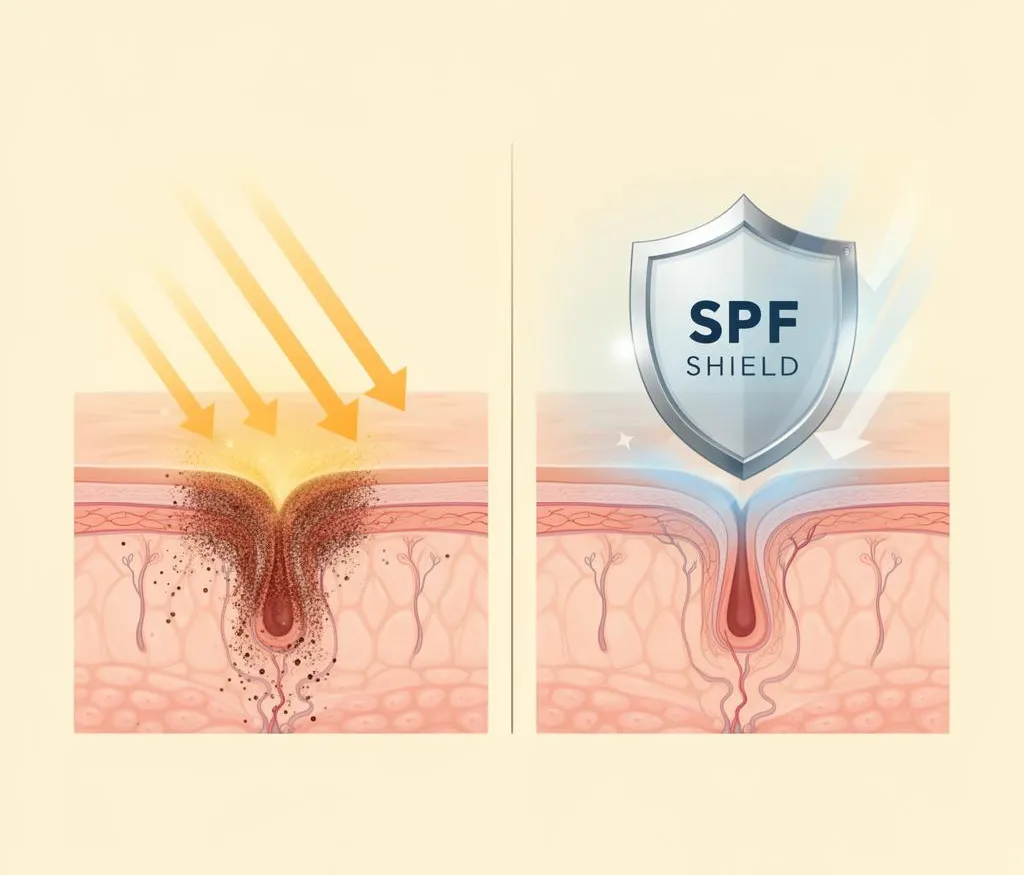
- Sun protection is essential: UV radiation is your PMU’s biggest enemy. It makes pigments fade faster and can cause colour shifts. Apply SPF 30 or higher to the pigmented area every day – in winter too.
- Avoid aggressive skincare: products with retinol, glycolic acid, high-concentration vitamin C or strong peels can break down the pigments faster. Don’t use them directly on the treated area.
- Plan regular refreshes: depending on skin type and lifestyle, a refresh every 1.5 to 3 years makes sense to renew colour intensity and shape.
- Watch for colour changes: if you notice the colour shifting, talk to your artist early. A timely correction is easier than a later rework.
Common mistakes that affect the result
Despite the best intentions, many clients make mistakes during the healing phase that can affect the result. The most common:
- Scratching off scabs: the number one mistake. It can pull out pigment, lead to patchy results and, in the worst case, leave scars.
- Going into the sun too early: sun exposure in the first weeks can change the colour and disturb healing. Indirect sun should also be avoided.
- Using the wrong products: not every cream is suitable. Only use the recommended aftercare products – even well-meant home remedies can do harm.
- Skipping the touch-up appointment: the touch-up is part of the process, not optional. It ensures an even, long-lasting result.
- Impatience: healing takes 4 to 6 weeks. Judging the final result before then only leads to unnecessary worry.